
Not alone: psychosocial support during war
Published: Oct 15, 2026 Reading time: 4 minutes Share: Share an articleThe loss of loved ones, homes damaged by shelling, forced displacement and separation from familiar surroundings. In the hardest moments of their lives, people need support from someone who knows what to say.
Psychologists from our mobile teams run group sessions in communities facing constant threats, while our 24/7 hotline means people across Ukraine can reach a psychologist at any time.
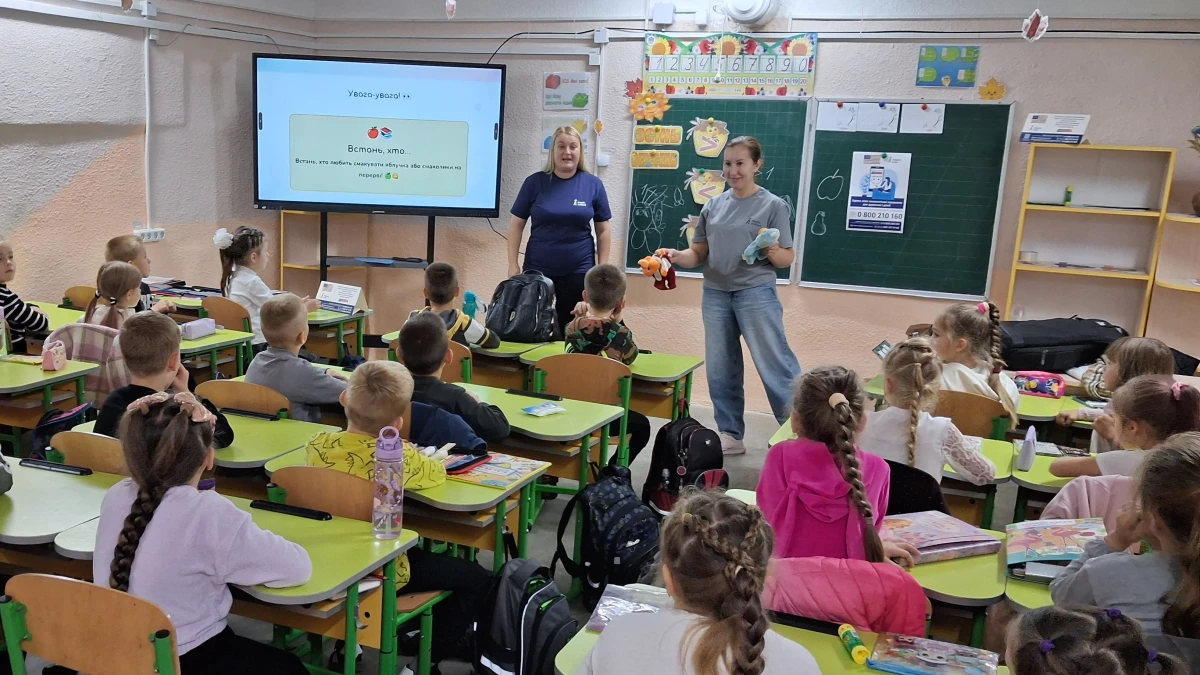
Constant shelling forced residents of Novopavlivka, a village in Dnipropetrovsk Oblast, to leave their homes. Some relocated to Dnipro. Leaving home and losing connections to a familiar place can be deeply challenging. To overcome these challenges, our psychologists run psychosocial sessions incorporating art therapy for community professionals, teachers, children, and other residents.
Through creative activities, participants can better understand their emotional state and regain a sense of calm. First, participants work with metaphorical cards. They then pick up canvases and paints to create what are known as ‘dopamine paintings’.
“Our goal is to help participants reduce emotional tension, restore their inner strength, and feel the support and unity of their community. These sessions help build social connections and remind us that even in difficult circumstances, people are not left alone with their struggles,” says Alona Kuzmenko, a psychologist at PIN Ukraine.

Vladyslav Kanivets is a physical education teacher. He speaks with sadness about his family home in Novopavlivka. Vladyslav and his family worked hard to build and maintain, only to be forced from it by Russian aggression. In Dnipro, the family has to rent accommodation, but rent takes up most of his salary.
Vladyslav teaches online, so he particularly values spending time with his colleagues in person.
“Like everyone, probably, I live with a constant sense of anxiety. But here we change the picture. We all know each other; we grew up together. We have shared interests. So, I feel positive emotions,” Vladyslav says.

Our mobile team psychologists work with both adults and children in Sumy, Kharkiv, Dnipropetrovsk, Zaporizhzhia, Mykolaiv, Kherson, and Lviv oblasts. They visit communities and remote settlements to help people access support close to home.
“What most often worries participants is uncertainty about the future, fear, anxiety, and emotional strain. People also need support to cope with grief and the loss of loved ones, their homes and their usual way of life. They may find it difficult to adapt to new conditions, regain a sense of safety, identify their own resources and build social connections in a new place,” says Alona Kuzmenko.
Our psychological support hotline is available to people across Ukraine. Qualified specialists are ready to listen and provide support at any time of day or night.
For Mariia, an 80-year-old woman living in Kherson, a call to the hotline made a difference. She heard about the service on the radio but, because of her visual impairment, could not dial the number herself. She, therefore, asked a local shop assistant to help her.
During the call, Mariia received psychological support and explained that she did not have enough money for food and medicine. The team passed her request to our colleagues, and Mariia, who lives alone, received food parcels from a local organisation.
“The number of calls rises after large-scale shelling and tragic events, especially when residential buildings are destroyed and people, including children, are killed,” says Anna Kozina, Mental Health and Psychosocial Support (MHPSS) Manager at People in Need.

The hotline has also received more calls from family members of veterans and military personnel, as well as from war widows. Over the past year, people living with cancer have also called more frequently.
One of the most pressing needs is support for the families of veterans and military personnel. Specialists from different fields highlight the need for training on communicating with people with disability and people who have experienced trauma.
Supporting children's social development is another challenge, particularly in communities near the frontline. Online and blended learning, constant danger, and limited opportunities for leisure activities significantly affect children's communication and social skills.
More broadly, our hotline psychologists are increasingly hearing from people experiencing severe emotional exhaustion.

“We continue to support groups facing particular challenges and run training sessions on communicating ethically with veterans and their family members. We help local organisations strengthen their ability to respond to challenges, and we support workers in communities near the frontline to prevent burnout,” says Anna Kozina, describing the team's plans.
Psychological support does not change the circumstances people face. However, it can help them navigate difficult moments, feel heard and know they do not have to face their problems alone.
Our psychosocial support to people in Ukraine is made possible through funding from the governments of the United States and the United Kingdom, the Principality of Liechtenstein, the European Union and the Czech people.


