
Northern Donetsk Oblast Water Crisis
Published: Jul 1, 2026 Reading time: 5 minutes Share: Share an articleA frontline region in northern Donetsk Oblast is on the verge of losing its last remaining water source. Repeated attacks on critical infrastructure have brought Sloviansk, Kramatorsk and Druzhkivka to the edge of a crisis that risks new displacement and disease outbreaks. Humanitarian partners have about six weeks to act before the system collapses.
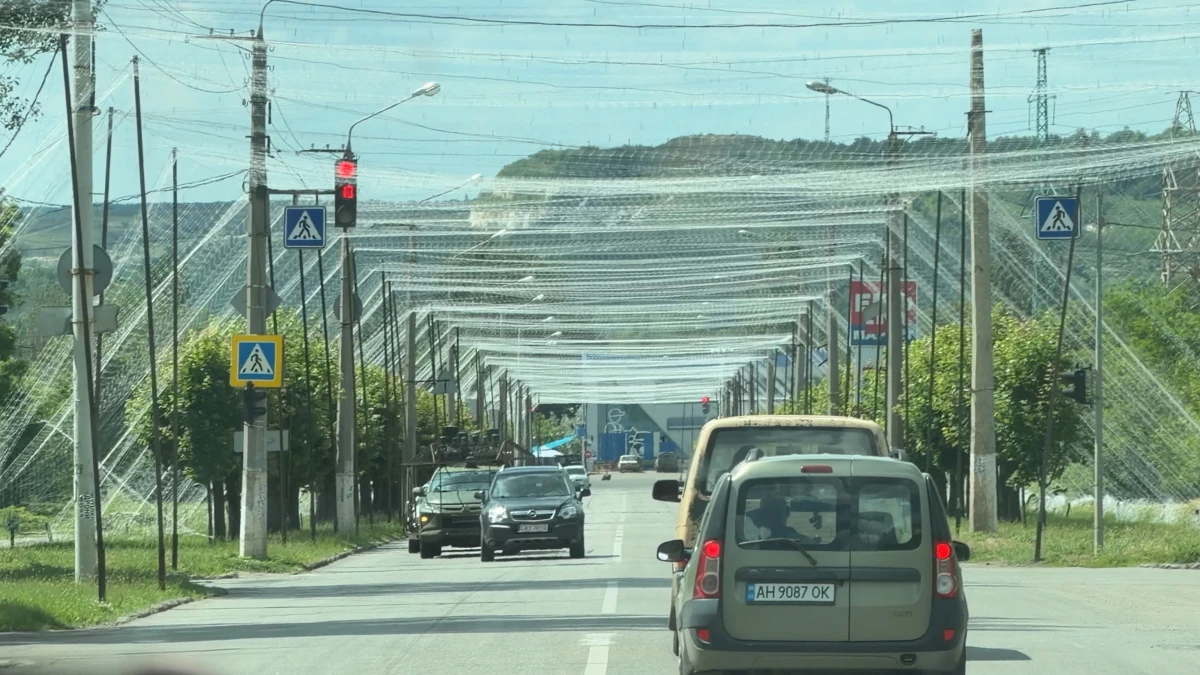
Northern Donetsk Oblast is facing an imminent water supply crisis that threatens to leave more than 115,800 people, including approximately 7,000 children, without reliable access to safe water in the cities of Sloviansk, Kramatorsk and Druzhkivka (currently, already does not have access to water leaving approximately 5,000 people without this basic necessity). The crisis is the direct result of continued attacks on critical infrastructure and the destruction of key water supply systems serving frontline communities.
Humanitarian actors and local utilities have identified a narrowing operational window of approximately six weeks to prevent a large-scale humanitarian catastrophe. Without immediate intervention, the last remaining surface water source supplying Sloviansk is expected to become non-operational between early and mid-July 2026.
The WASH Cluster has developed a prioritized response strategy requiring US$15 million to stabilize water supplies, restore/establish, including water emergency provision materials and equipment (tanks, treatment consumables, drinkable water bottles/Jerrycans), in addition to alternative sources or strengthen current systems’ resilience. Failure to act now is expected to generate humanitarian response costs of at least US$30–45 million, while significantly increasing displacement, public health risks and pressure on already overstretched frontline services.
The crisis originates from the disruption of the Siverskyi Donets–Donbas Canal system following damage to critical infrastructure in March 2026.
Key developments include:
- On 23 March 2026, the Raihorodok dam was partially destroyed, disrupting the Siverskyi Donets–Donbas Canal.
- On 21 April 2026, technical water from the canal ceased reaching the Kramatorsk filtration station.
- Since May 2026, water levels at the Maiaky intake serving Sloviansk have been falling by 5–7 cm per day.
- The reserve level currently stands only 53 cm above the critical threshold, compared to approximately 300 cm two months earlier.
- Continued attacks against Kramatorsk and Sloviansk have further complicated repair and recovery efforts.
Current assessments indicate that the Maiaky intake may fail between early and mid-July if additional measures are not implemented immediately.
On June 17-18, 2026, People in Need conducted a field visit to northern Donetsk Oblast, including Kramatorsk, where they met with local residents, representatives of the Donetsk Oblast Military Administration (ODA), and the management of the Kramatorsk Water Utility (Vodokanal). Discussions confirmed that the water crisis is rapidly worsening and that the remaining operational water supply systems face increasing pressure due to continued hostilities and damage to critical infrastructure.

“Our teams are working around the clock to keep water flowing to residents despite constant security threats and damage to infrastructure. However, without urgent support to strengthen the system and develop alternative sources, maintaining water supply will become increasingly difficult in the coming weeks,” says Valentyn Yakovenko.
The affected area remains within one of Ukraine’s most heavily impacted frontline regions.

“Access to water has become one of the most urgent humanitarian challenges for communities in northern Donetsk Oblast. Every day, local authorities and utility services work under extremely difficult conditions to maintain essential services, but the risks continue to grow as attacks on critical infrastructure persist,” says Oksana Holovko.
115,800 people directly affected
Approximately 7,000 children
Three major urban centres: Kramatorsk, Sloviansk, and Druzhkivka
“I just want to live a normal life in my own home. Water is something people should not have to worry about every day, but now it has become one of our biggest concerns,” says Serhii Vasyliovych, resident of Kramatorsk.

Public Health
A collapse of water supply systems would significantly increase the risk of Water Borne Diseases and increased burden on healthcare facilities already operating under war conditions.
Displacement
Water shortages are likely to trigger additional population movements from frontline communities, creating:
- New displacement flows
- Increased pressure on evacuation systems
- Additional demand for collective centres and transit facilities
- Greater protection risks for vulnerable groups
Winter Preparedness and Energy Security
Water utilities provide technical water required for district heating systems. A failure of water infrastructure directly undermines preparations for the 2026–2027 heating season and create secondary energy-related emergencies.
Protection Concerns
Women, children, older persons and persons with disabilities face heightened risks when accessing distant water distribution points. Utility personnel continue to work under active security threats, including drone attacks and shelling.
Response Strategy
The WASH Cluster has developed a prioritized six-week response plan requiring US$15 million.
Critical Life-Saving Actions
Priority interventions include:
- Emergency water trucking
- Bottled water distribution
- Household water treatment support
- Installation of drinking water storage tanks
- Development of alternative water intakes
- Emergency backup infrastructure for water systems
- Water trucks and transport assets
Urgent Infrastructure Stabilization
Priority interventions include:
- Different scale/depth communal boreholes
- Emergency water reservoirs
- Backup power systems for water utilities
- Water treatment chemicals and filtration units
Utility Resilience and Protection
Priority interventions include:
- Protection measures for utility infrastructure
- Safety equipment for water utility workers
- Water trucks and transport assets
- Communications equipment
- Emergency support systems for frontline utility teams
Few critical interventions are being supported by humanitarian partners including UNICEF, ICRC and People in Need
Notable progress includes:
- Сommitment for planned drinking water storage tanks across the oblast
- Emergency water trucking support
- Alternative intake development in Sloviansk
- Critical infrastructure upgrades in Kramatorsk
However, major gaps remain in (ordered with highest criticality first):
- Community borehole drilling and rehabilitation
- Water treatment mobile equipment for drinkable water (Reverse Osmosis mobile unit)
- Technical water storage infrastructure
- Emergency water trucking and operation equipment and consumables
Humanitarian partners are calling on donors to urgently support the Northern Donetsk Oblast Water Crisis Response Plan.
Priority funding is required immediately to:
- Prevent the collapse of the remaining water supply system.
- Accelerate drilling and commissioning of alternative water sources.
- Strengthen operational resilience of frontline utilities.
- Prevent avoidable displacement and secondary humanitarian impacts.
- Protect access to water for over 115,000 civilians living close to the frontline.
The coming weeks represent a critical window of opportunity. Timely donor support can avert a large-scale humanitarian emergency and protect essential services for communities that continue to endure daily impacts of the war.
This is not only a water crisis. It is a looming multi-sectoral humanitarian emergency affecting health, protection, displacement, energy security and winter preparedness. Immediate investment of US$15 million can prevent significantly greater human and financial costs in the months ahead.


