
Поруч з Україною: що «Людина в біді» зробила у 2025 році
Опубліковано: 8 груд. 2025 р. Час на читання: 2 хвилини Sdílet: Sdílet článekПісля майже 12 років війни, понад три з яких триває повномасштабне вторгнення, багато українських громад живуть в умовах постійної небезпеки, пошкодженої інфраструктури та мають проблеми із отриманням базових послуг. Попри це люди продовжують відбудовувати свої домівки, відновлювати школи та підтримувати роботу критичних підприємств водо- і теплозабезпечення.
У 2025 році «Людина в біді» продовжує підтримувати ці громади. Дані нижче — проміжні результати. Більшість програм ще тривають, тож кількість людей, яким ми зможемо допомогти, і надалі зростатиме.
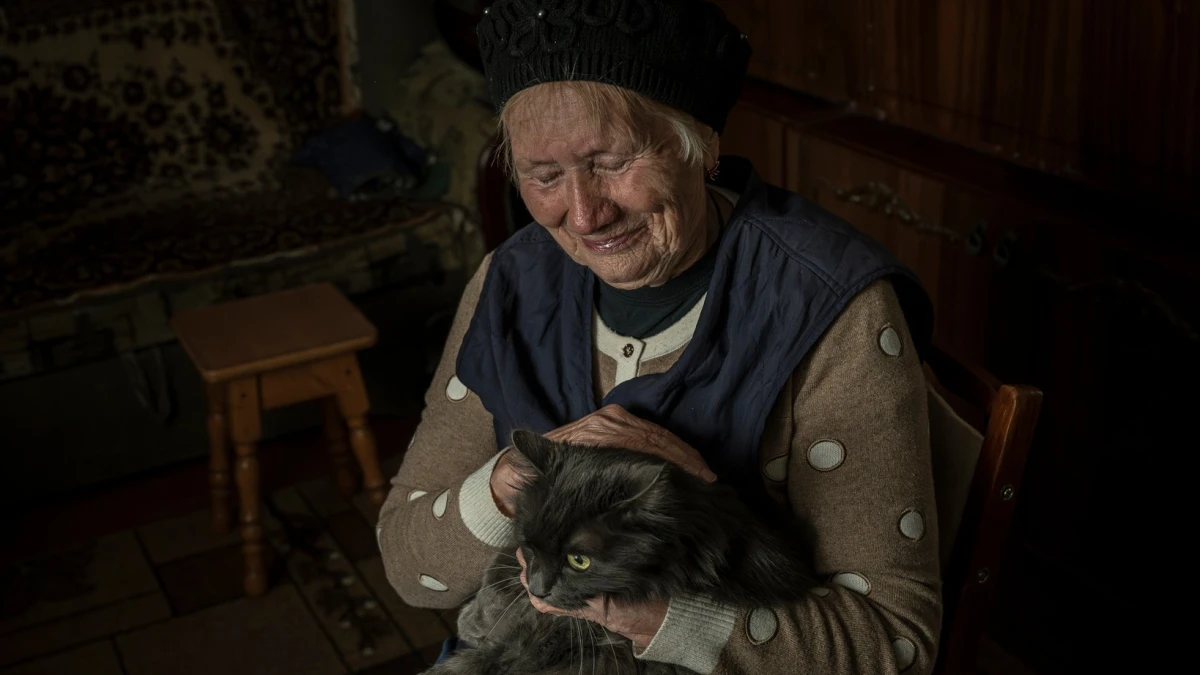
Екстрена допомога: підтримка тоді, коли вона потрібна негайно
Коли родини раптово залишаються без води, електрики, житла чи доходу, швидка допомога стає життєво необхідною.
Станом на 2025 рік вже понад 15 700 людей отримали багатоцільову грошову допомогу, яка дозволила їм покрити термінові витрати: ліки, оренду житла, транспортні послуги або інші нагальні потреби. Понад 38 000 людей отримали доступ до води в районах, де місцеві мережі були зруйновані в результаті атак.

Наша масштабна робота з відновлення критичної інфраструктури вже допомогла десяткам тисяч людей:
- 143 872 людини знову мають доступ до безпечної води та санітарії;
- 32 системи водопостачання відремонтовані в прифронтових районах;
- 53 системи опалення відновлені або підсилені напередодні зими.
Ці втручання дали відчутний результат, тож в найближчі місяці роботи з відновлення інфраструктури продовжуватимуться.

Житло та підготовка до холодів
Ремонт зруйнованих домівок залишається однією із найбільших потреб. На сьогодні вже:
- 8 491 людині відремонтовано житло після обстрілів;
- 42 колективних центрів і соціальних установ відновлені;
- 7 723 родини отримали матеріали для термінових ремонтів.
- 19 745 родини отримали зимову допомогу (паливо, обладнання, кошти на підготовку до холодів).

Захист і соціальна підтримка: робота з «невидимими» наслідками війни
Соціальні та психологічні наслідки війни вимагають нашої стабільної уваги. З початку року вже 33 683 людини отримали психосоціальні послуги: консультативну підтримку, супровід, перенаправлення, участь у групових заходах.
Разом із партнерами наші команди супроводжують евакуаційні місії та підтримують літніх людей, людей з інвалідністю та родини, які опинилися у складних обставинах.
Оскільки ситуація залишається нестабільною, потреба у захисті залишається високою, і ця робота триватиме.

Освіта та молодь: інвестиції в майбутнє
Попри постійні руйнування шкіл та вимушені перебої в навчальному розкладі, діти та вчителі продовжують прагнути стабільності у навчанні.
У 2025 році «Людина в біді» вже:
- підтримала 10 228 дітей та педагогів, які постраждали від атак на освіту;
- відновила 27 шкіл у громадах, що постраждали від бойових дій;
- забезпечила 2 980 учні доступом до занять із надолуження освітніх втрат;
- залучила 24,787 молодих людей, учителів і мешканців громад до програм розвитку молоді й спільнот.
Робота над відновленням освіти триває.

Попереду — ще більше роботи
Усі наведені цифри — лише частина зробленого. Програми тривають, а у відповідь на зростаючі потреби громад, повторні атаки та виклики довготривалого відновлення впроваджуються нові активності.
У найближчі місяці «Людина в біді» продовжуватиме:
- ремонтувати будинки, школи та критичну інфраструктуру;
- розширювати доступ до безпечної води й тепла;
- посилювати психосоціальну та соціальну підтримку;
- підтримувати освіту, молодіжні ініціативи та стійкість громад;
- надавати гнучку екстрену допомогу родинам у кризових ситуаціях.
2025 рік ми завершимо зі ще вищими показниками, які відображатимуть задоволення гуманітарних потреб і нашу роботу з довготривалого відновлення.


